
What to Do After Catastrophic Injuries from Truck Accidents in Arkansas
Commercial trucks weigh up to 80,000 pounds, creating forces that can cause traumatic brain injuries, spinal cord damage, and other life-altering conditions in seconds. As a healthcare professional, you understand how quickly everything can change when catastrophic injuries strike your family. These moments demand immediate action to protect both medical outcomes and legal rights.
The overwhelming aftermath of catastrophic injuries from truck accidents in Arkansas requires families to act swiftly on multiple fronts. Preserving critical evidence, understanding the life-changing impact of these injuries, and securing experienced legal guidance can make the difference between financial hardship and long-term security. Greer Injury Lawyers provides the compassionate, trial-ready advocacy your family needs during this challenging time.

Immediate Steps After a Catastrophic Truck Accident in Arkansas
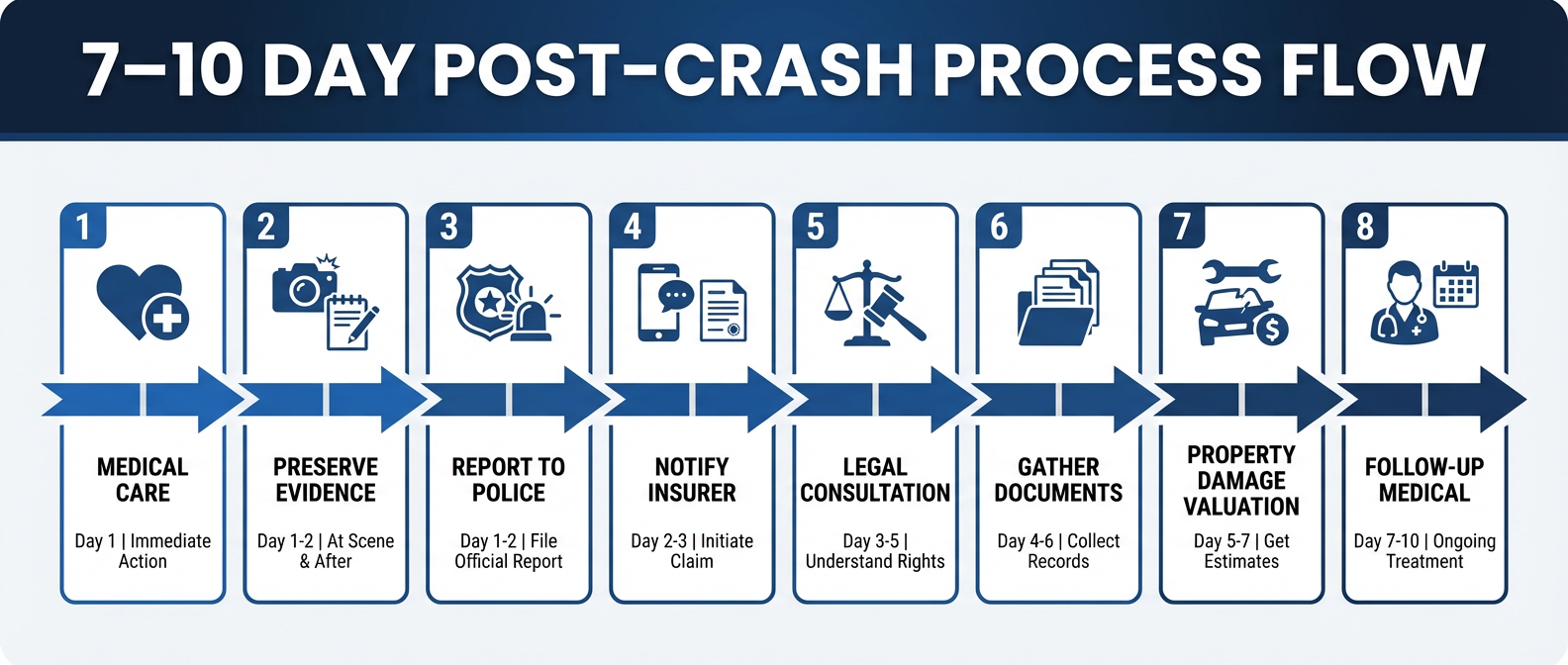
When your loved one suffers catastrophic injuries in a truck crash, the overwhelming fear and confusion can make it hard to think clearly about next steps. The steps after catastrophic truck accident Arkansas families take in those first critical days can significantly impact both your loved one’s recovery and your family’s legal rights.
Secure Emergency Medical Care and Begin Documentation
Your family’s immediate focus should be getting the comprehensive medical care your loved one needs, even when the full extent of injuries isn’t immediately apparent. Catastrophic injuries from truck accidents often involve delayed symptoms, particularly with traumatic brain injuries where cognitive changes may not surface for days or weeks. Start a medical file from day one, documenting every doctor visit, symptom change, and treatment recommendation. This documentation becomes the foundation for proving the full extent of injuries and their connection to the crash.
Preserve Critical Evidence Before It Disappears
Acting quickly is crucial when it comes to preserving evidence. Trucking companies are only required to keep important electronic records for six months, and some data gets erased even sooner. This might sound complicated, but your attorney will handle these technical preservation steps for you. They’ll immediately send spoliation letters to preserve Electronic Logging Device (ELD) records, dashcam footage, maintenance logs, and driver qualification files. Under Arkansas law, accidents causing injury must be reported, but basic police reports won’t capture the detailed evidence needed for your case.
Engage Experienced Legal Counsel Without Delay
Insurance companies begin building their defense strategy within hours of a crash, often while families are still processing the trauma. An experienced personal injury attorney can coordinate accident reconstruction, handle insurer communications, and navigate complex federal trucking regulations that govern driver responsibilities. Early legal intervention protects your family from making statements that could harm your case and ensures all potential defendants are identified before evidence disappears.
Understanding Catastrophic Injuries: TBI, Spinal Cord Injuries, Burns, and Amputations
Once you have taken the immediate steps to protect your family and preserve evidence, understanding the nature of catastrophic injuries becomes important for your long-term planning. Traumatic brain injuries represent one of the most common catastrophic injuries from truck accidents, yet they often manifest as invisible symptoms that emerge days or weeks after the crash, making them particularly challenging to diagnose. Unlike broken bones or visible wounds, TBI symptoms like memory problems, mood changes, and difficulty concentrating can be subtle but life-changing. The CDC emphasizes that early medical evaluation and ongoing follow-up care are necessary for proper diagnosis and treatment.
Spinal cord injuries and severe burns demand immediate specialized care and comprehensive treatment plans that extend far beyond initial emergency response. Spinal cord injuries can result in permanent paralysis requiring lifelong medical support, adaptive equipment, and home modifications. Burn injuries from truck fires or hazardous chemical spills often require multiple surgeries, skin grafts, and extensive rehabilitation, with national data showing that severe burns frequently lead to long-term disability and scarring.
Traumatic amputations create substantial lifetime care needs including prosthetics, ongoing physical therapy, and psychological support to help patients adapt to their new reality. For all these injuries, documenting functional losses through objective testing like neuropsychological evaluations, functional capacity examinations, and detailed medical imaging becomes important for your legal case. These assessments help establish the full scope of your family’s future care needs and provide the medical foundation necessary to secure appropriate compensation.
How Arkansas and Federal Trucking Laws Shape Catastrophic Injury Claims
When you’re caring for a loved one with catastrophic injuries, the last thing you want to worry about is complex legal rules. Unfortunately, Arkansas trucking laws catastrophic injury claims involve specific regulations that can either strengthen your case or create obstacles that require expert navigation.
The legal landscape includes both state and federal rules that directly determine what compensation your family can recover:
- Arkansas’s comparative fault law can reduce or eliminate recovery if you’re found 50% or more at fault
- Federal ELD requirements create electronic evidence trails showing hours-of-service violations and driver fatigue
- Multiple parties may share liability, including trucking companies, brokers, shippers, and maintenance contractors
- Federal maintenance rules require trucking companies to keep detailed repair records that often reveal safety violations
- Arkansas has no damage caps on personal injury claims, allowing full compensation for catastrophic injuries
These regulations create a complex web of evidence and liability that experienced truck accident attorneys know how to navigate. While these legal details may feel overwhelming during your family’s crisis, understanding them helps your legal team fight for every dollar your loved one deserves.
FAQs: Catastrophic Injuries from Truck Accidents in Arkansas
When your loved one suffers catastrophic injuries in a truck accident, you need answers fast. These Arkansas catastrophic truck accident FAQs address the immediate concerns families face while navigating medical crises and complex legal processes.
What are the most common catastrophic injuries from truck accidents in Arkansas?
Traumatic brain injuries, spinal cord damage, severe burns, and amputations are the most frequent catastrophic injuries from truck crashes. These injuries often require lifelong medical care and significantly impact daily functioning. The significant size and weight difference between trucks and passenger vehicles makes severe injuries more likely in collisions.
How long do you have to file a catastrophic truck accident claim in Arkansas?
Arkansas law gives you three years from the accident date to file a personal injury claim. For wrongful death cases, the same timeline applies from the date of death. Taking action promptly helps protect your family’s rights and future while preserving critical evidence.
What evidence should be preserved after a catastrophic truck accident?
Electronic logging device data, black box information, and maintenance records are critical but disappear quickly. Trucking companies only keep ELD records for six months. Your attorney should immediately send preservation letters to secure dashcam footage, driver logs, and inspection records before they’re destroyed.
How do Arkansas laws affect catastrophic injury claims from truck accidents?
Arkansas follows a modified comparative fault rule, meaning you can recover damages even if partially at fault, unless you’re 50% or more responsible. This makes early accident reconstruction critical to counter blame-shifting tactics. Federal trucking regulations create additional liability opportunities when drivers or companies violate safety rules.
What compensation can victims pursue for catastrophic truck accident injuries in Arkansas?
Families can seek medical expenses, lost income, pain and suffering, and future care costs. Arkansas requires commercial trucks to carry higher insurance minimums than passenger vehicles, often providing multiple coverage sources. Proving these damages requires detailed documentation and expert testimony to secure full compensation.
Why is experienced legal representation crucial for catastrophic truck accident cases?
Trucking companies have teams of lawyers and investigators working immediately to limit liability. Safety violations and regulatory failures require specialized knowledge to identify and prove. An experienced attorney protects evidence, handles insurance communications, and builds the strongest possible case while you focus on recovery.
How can a personal injury lawyer help after a catastrophic truck accident in Arkansas?
Your attorney coordinates medical care referrals, preserves evidence, and handles all insurance communications. They investigate trucking violations, identify all liable parties, and calculate future care needs. This comprehensive truck accident representation maximizes compensation while protecting your family from insurance company tactics designed to minimize payouts.
Your Next Step: Compassionate, Trial-Ready Advocacy for Catastrophic Injuries
When your family faces life-changing injuries from a truck accident, every decision shapes your loved one’s future. Taking swift action to preserve evidence, secure proper medical care, and engage experienced legal counsel can mean the difference between financial hardship and long-term security.
Beyond immediate action, you deserve advocates who understand both the medical complexities of catastrophic injuries and the legal strategies needed to hold trucking companies accountable. With Arkansas roadway fatalities continuing to rise, experienced catastrophic personal injury representation in Arkansas becomes increasingly important for protecting your family’s rights and recovery.
Don’t navigate this overwhelming time alone—contact Greer Injury Lawyers for a free consultation and let our seasoned trial attorneys, supported by a full-time registered nurse, fight for your family’s future with no fees unless we win.


Since graduating magna cum laude in 2005 from the University of Memphis School of Law, Thomas has helped make a difference in the lives of victims of serious personal injury, wrongful death, and professional negligence. Thomas has extensive trial experience in both state and federal court. Among other victories in the courtroom, Thomas obtained several impressive jury verdicts and settlements
Read more about Thomas R. Greer