
How to Navigate Birth Injury Malpractice in Tennessee: Cerebral Palsy and Oxygen Deprivation Cases
When medical teams miss the warning signs during labor and delivery, even a few minutes without adequate oxygen can cause permanent brain damage. A delayed emergency C-section or failure to recognize fetal distress can lead to cerebral palsy that changes your child’s entire future. Families facing this heartbreak deserve both answers and accountability.
Tennessee law provides a path forward when substandard care causes preventable birth injuries, though strict deadlines and pre-suit requirements demand swift action. Understanding how oxygen deprivation leads to cerebral palsy, what constitutes malpractice, and the specific legal steps that protect your rights can help you secure the resources your child needs for lifelong care. Greer Injury Lawyers stands ready to guide you through every step of pursuing justice for your family.

Understanding Birth Injury Malpractice in Tennessee
When medical providers fail to provide proper care during pregnancy and delivery, the consequences can be devastating for your family. Tennessee birth injury malpractice law gives families the right to seek accountability when preventable errors cause lifelong harm to their children.
When Medical Care Falls Short of Standards
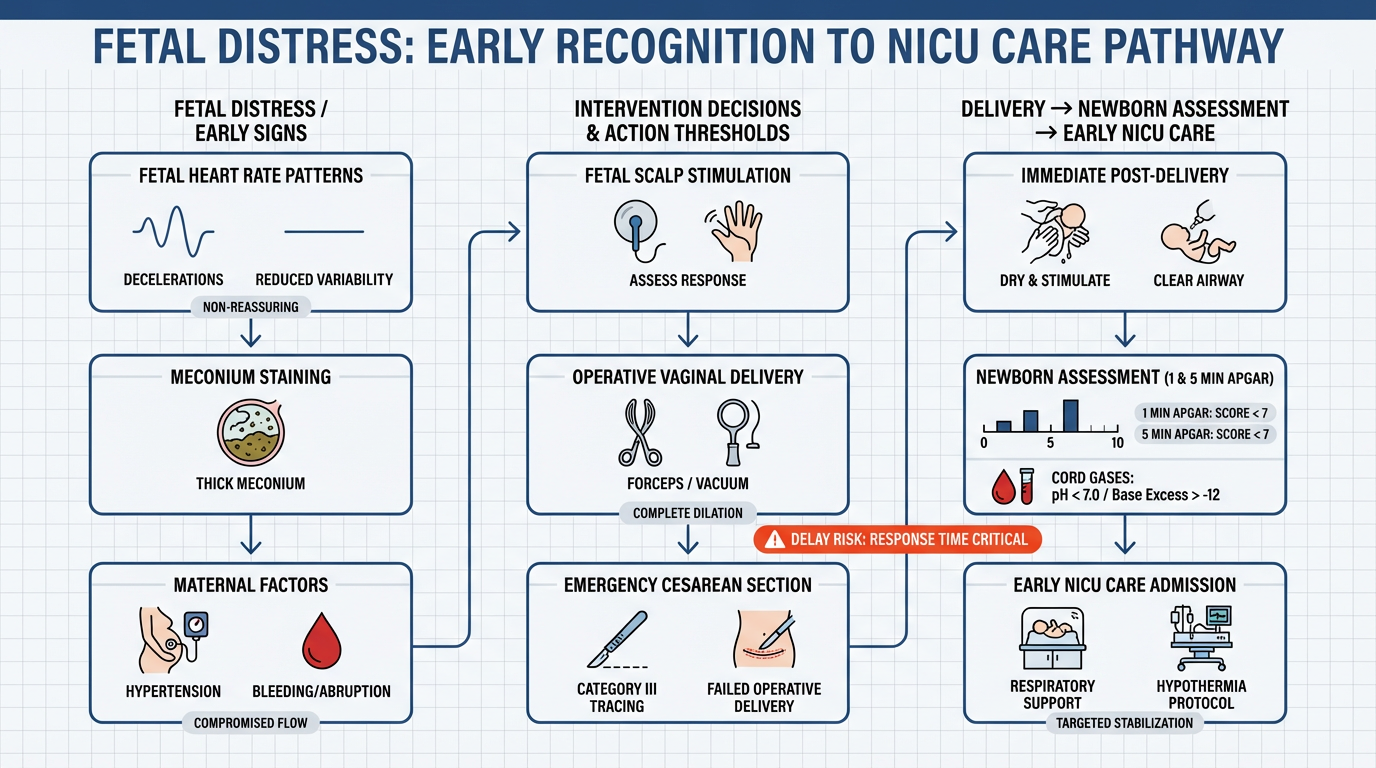
Birth injury malpractice happens when doctors, nurses, or hospitals fail to provide the level of care that a skilled medical professional would provide under similar circumstances. Common examples include failing to recognize fetal distress, delaying necessary interventions like emergency C-sections, or mismanaging complications that lead to oxygen deprivation and brain injury. The American College of Obstetricians and Gynecologists provides clear guidelines on fetal heart rate monitoring, which often becomes central evidence in these cases.
Tennessee’s Strict Legal Requirements and Deadlines
Beyond understanding what constitutes malpractice, Tennessee families must also navigate specific legal requirements that protect your right to seek justice. Before filing a lawsuit, you must provide 60-day pre-suit notice to all healthcare providers you plan to sue. You also need a certificate of good faith from a qualified medical expert stating that your case has merit. With Tennessee’s one-year statute of limitations for medical malpractice claims, time moves quickly. Missing these deadlines can destroy your claim, which is why consulting with experienced attorneys who understand Tennessee’s procedural requirements is so important for protecting your family’s rights.
The Evidence That Builds Your Case
Proving negligence in cerebral palsy and oxygen deprivation cases requires careful examination of medical records that you deserve to have thoroughly reviewed. Key evidence includes fetal heart rate tracings that show distress patterns, labor and delivery notes documenting timing of interventions, staffing levels during critical moments, and newborn blood gas results that reveal oxygen deprivation. Hospital policies, nursing documentation, and communication records between staff members often reveal where the standard of care broke down. An experienced legal team with medical expertise, including a full-time registered nurse on staff, knows how to identify these details in birth injury cases and work with medical experts to demonstrate how different decisions could have prevented your child’s injury.
Cerebral Palsy and Oxygen Deprivation: What Families Should Know
When families notice developmental delays, they often wonder if something went wrong during birth. How does oxygen deprivation during birth lead to cerebral palsy? It happens when oxygen flow to a baby’s brain gets cut off during labor and delivery, causing permanent brain damage. This occurs when medical teams fail to recognize fetal distress signals, delay necessary interventions like emergency C-sections, or mismanage labor-inducing medications that cause overly strong contractions that stress the baby. Common situations include oxygen deprivation from placental problems, umbilical cord complications, or prolonged labor where providers don’t act quickly enough to protect the baby’s brain.
Healthcare providers can identify these situations through specific medical indicators found in hospital records. These include abnormal fetal heart rate patterns, low Apgar scores at birth, and abnormal blood chemistry tests that show dangerous acid levels (pH below 7.0). Babies may also develop seizures within the first 24 to 48 hours, and MRI scans can show characteristic brain injury patterns. When therapeutic hypothermia is indicated, starting treatment within six hours can reduce injury severity, making documentation of timing and eligibility decisions important evidence in birth injury cases.
Steps to Take if You Suspect Birth Injury Malpractice in Tennessee
When you suspect that medical negligence during labor and delivery caused your child’s cerebral palsy, taking swift, organized action can mean the difference between securing the compensation your family needs and being forever barred from pursuing a claim. Tennessee’s medical malpractice laws have strict deadlines and specific requirements that families must meet to protect their legal rights.
- Consult with experienced birth injury attorneys immediately – Before taking any other steps, speak with lawyers who understand Tennessee’s complex procedural requirements. An experienced attorney can guide you through record preservation, meet critical deadlines, and ensure you don’t inadvertently harm your case.
- Gather and preserve all medical records with legal guidance – Request copies of prenatal charts, labor and delivery notes, fetal heart monitor strips, newborn blood gas results, imaging studies, and discharge summaries from every provider involved in your care. Create your own timeline documenting symptoms, conversations with medical staff, and any unusual events during labor and delivery.
- Act quickly to meet Tennessee’s unforgiving deadlines – Tennessee law requires families to file medical malpractice claims within one year of discovery and no more than three years from the date of injury. Additionally, specific pre-suit notice requirements must be sent to healthcare providers 60 days before filing a lawsuit, and even minor errors in these notices can be fatal to your case, as clarified by the Tennessee Supreme Court.
- Document your child’s comprehensive care needs systematically – Keep detailed records of all therapies, medical appointments, equipment needs, developmental assessments, and educational support requirements. Include costs, insurance coverage gaps, and projected future needs, as this documentation helps establish the full financial impact of the birth injury for your legal case.
- Choose legal counsel with proven trial experience and medical expertise – Hospital defense teams are aggressive and well-funded. Your family needs attorneys who have successfully handled birth injury cases through trial and can counter their resources with medical experts, investigative capabilities, and courtroom experience. Look for firms that offer representation with no fees unless they win, removing financial barriers to accessing quality legal representation.
Tennessee Birth Injury Malpractice: FAQs
Parents facing a child’s cerebral palsy diagnosis often have urgent questions about their legal options and rights. These answers address the most pressing concerns about Tennessee law, financial recovery, and why specialized legal help matters for oxygen deprivation cases.
What are the legal rights of parents in Tennessee birth injury malpractice cases?
Parents can pursue financial recovery for their child’s medical expenses, therapy costs, and lifelong care needs when medical negligence causes cerebral palsy. Tennessee law requires pre-suit notice within specific deadlines. Both the child and mother can pursue separate claims for their respective injuries.
Why is it important to have an experienced birth injury lawyer for cerebral palsy cases?
Birth injury cases involving oxygen deprivation require deep medical knowledge and expert testimony to prove negligence. Hospitals deploy aggressive defense teams with extensive resources. Experienced attorneys understand fetal monitoring, delivery protocols, and can secure the medical experts needed to establish causation and damages.
How long do families have to file a birth injury lawsuit in Tennessee?
Tennessee medical malpractice claims must be filed within one year of discovery or three years maximum from the incident. Pre-suit notice extends filing deadlines by 120 days. Missing these deadlines can prevent families from recovering the financial support their child needs for lifelong care.
What compensation can families receive in Tennessee for birth injuries caused by medical negligence?
Families may recover medical expenses, future care costs, therapy, special education, lost earning capacity, and pain and suffering. When hospital staff negligence contributes to CP, Tennessee law allows claims against hospitals as well as individual providers. Damages often reach millions when lifelong care is needed for severe cases.
Can parents recover damages for their own injuries during birth complications?
Yes, mothers can seek financial recovery for physical injuries, emotional trauma, and medical bills resulting from delivery negligence. These claims are separate from the child’s case. Both parents may also recover damages for emotional distress and loss of companionship with their child.
Your Next Step: Compassionate, Trial-Tested Help for CP and Oxygen Deprivation Cases
When birth complications cause oxygen deprivation leading to cerebral palsy, Tennessee families must navigate strict legal deadlines including the state’s certificate of good faith requirement and one-year filing deadline to preserve your child’s rights.
That’s why choosing a birth injury lawyer for cerebral palsy in Tennessee with medical expertise and trial experience can secure the resources your family needs for lifelong care. Our team includes seasoned attorneys and a full-time registered nurse who understand both the legal complexities and medical realities of cerebral palsy and oxygen deprivation cases.
Contact Greer Injury Lawyers today for a free, confidential consultation about your child’s birth injury case. You pay nothing unless we win.

Since graduating magna cum laude in 2005 from the University of Memphis School of Law, Thomas has helped make a difference in the lives of victims of serious personal injury, wrongful death, and professional negligence. Thomas has extensive trial experience in both state and federal court. Among other victories in the courtroom, Thomas obtained several impressive jury verdicts and settlements
Read more about Thomas R. Greer